How Georgia Humidity Affects Exterior Paint
 The Painting Bear · September 22, 2026 7 min read
Atlanta summers are hot, sticky and full of afternoon storms. That weather is hard on exterior paint, both while it dries and for years afterward. Knowing how it works helps you time your project and pick the right products.
Why humidity matters
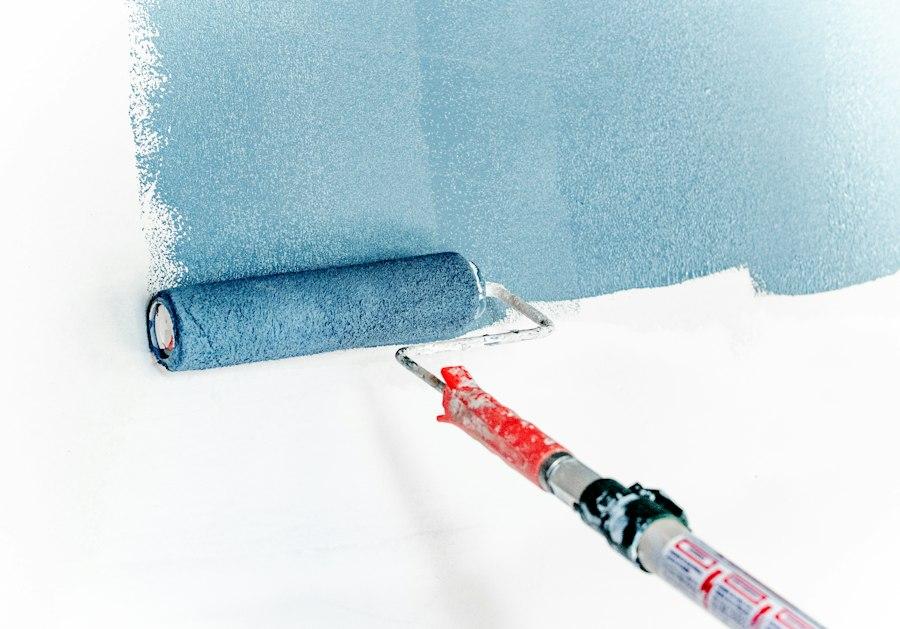
Most exterior paint is water-based. It cures as the water evaporates. When the air is already full of moisture, that takes longer, and paint that stays wet too long can collect dirt, run, or dry with a cloudy or streaky look.
Watch out for dew
On humid nights, dew forms on siding as it cools. If paint has not had time to set before that happens, the moisture can leave marks on the surface. That is why we start early, stop painting with enough time for the last coat to set before evening, and avoid days with rain in the forecast.
Temperature rules
- Every paint can lists a minimum temperature. Many exterior paints need about 50°F or warmer, and some newer products are rated lower.
- Very hot surfaces in direct sun can make paint dry too fast and show lap marks. We follow the shade around the house.
- Spring and fall are usually the easiest seasons for exterior painting in Metro Atlanta.
Prep matters even more here
Humidity encourages mildew and makes wood swell and shrink. Before painting, we wash the house, let it dry, scrape loose paint, prime bare wood and caulk gaps so water cannot get behind the new coat.
Choose paint made for the job
A quality exterior acrylic with mildew resistance holds up far better in Georgia than a bargain paint. We list the exact product on your estimate so you know what is going on your home.
Planning an exterior repaint? Book your estimate a few weeks early so we can schedule around the weather.